Light as a Medium
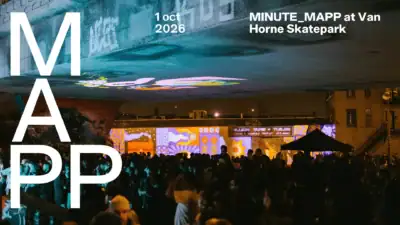
Today, street art projection mapping—often referred to as spatial augmented reality—has evolved far beyond simple building illumination. In 2026, it stands as a sophisticated artistic discipline merging architecture, digital storytelling, and live performance into a single, immersive experience.
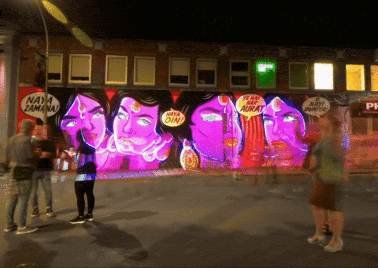
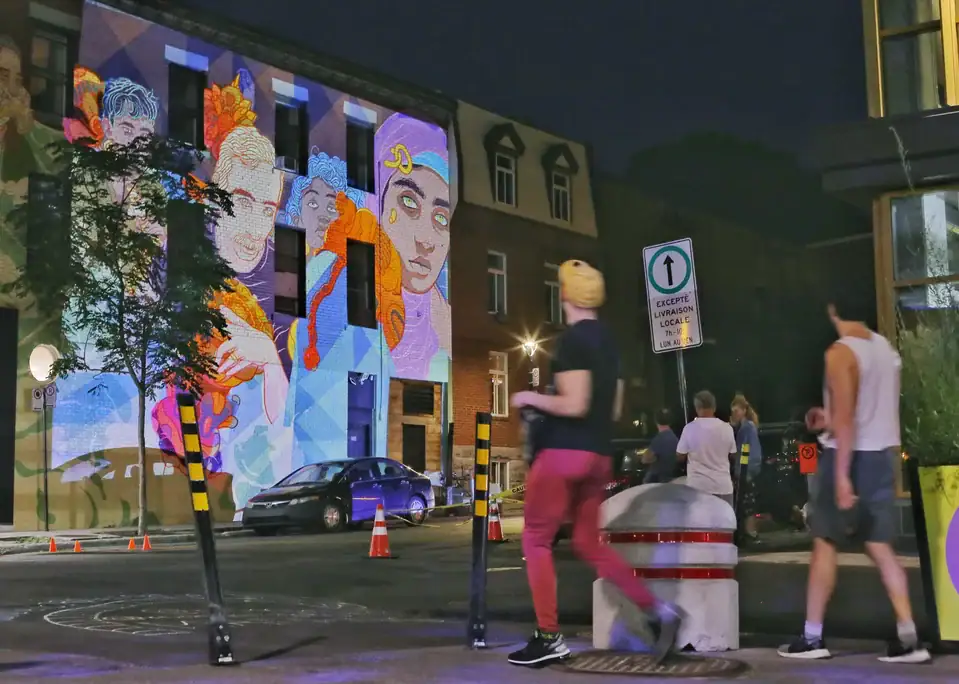
What makes this medium so compelling is its power to transform the familiar. A blank concrete wall becomes a breathing canvas; a heritage building sheds its static identity to tell a story through light and motion. In this new era, the city itself is no longer just a backdrop—it is the artwork.
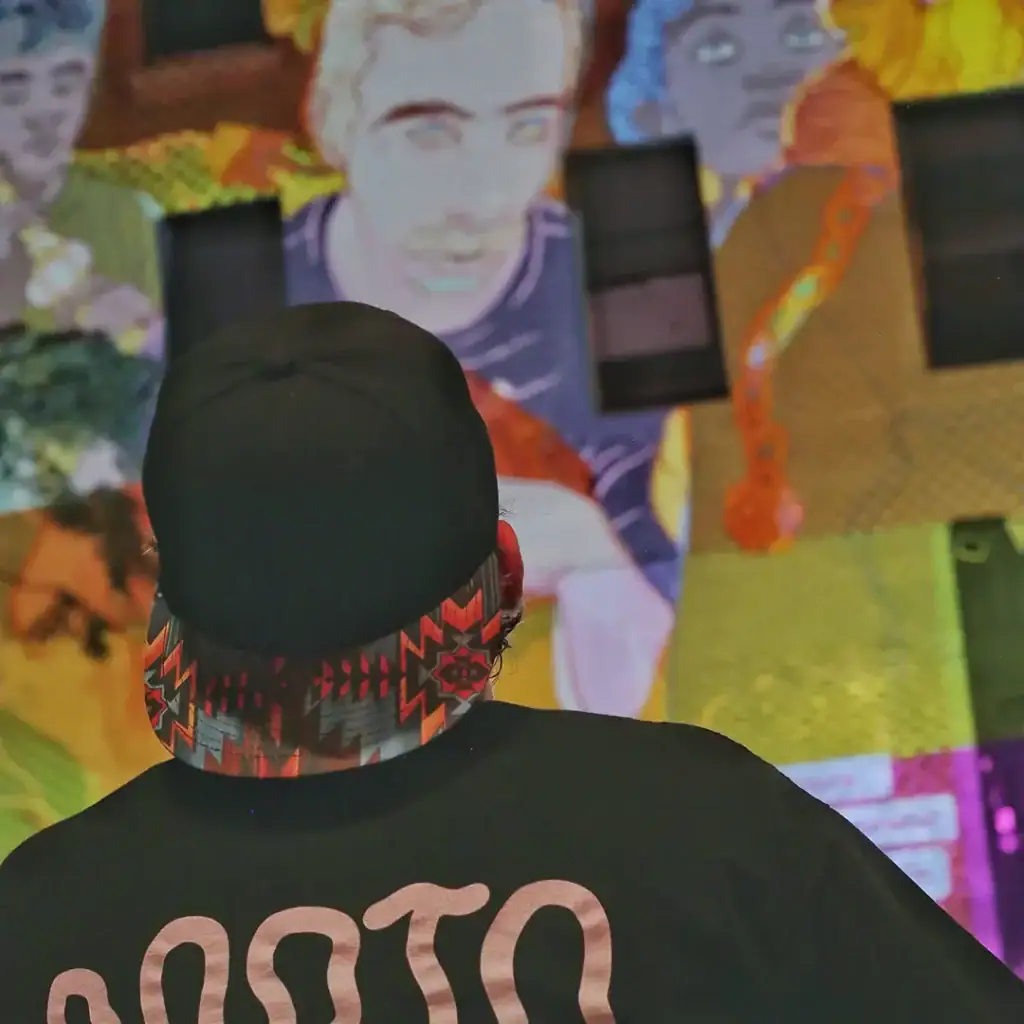
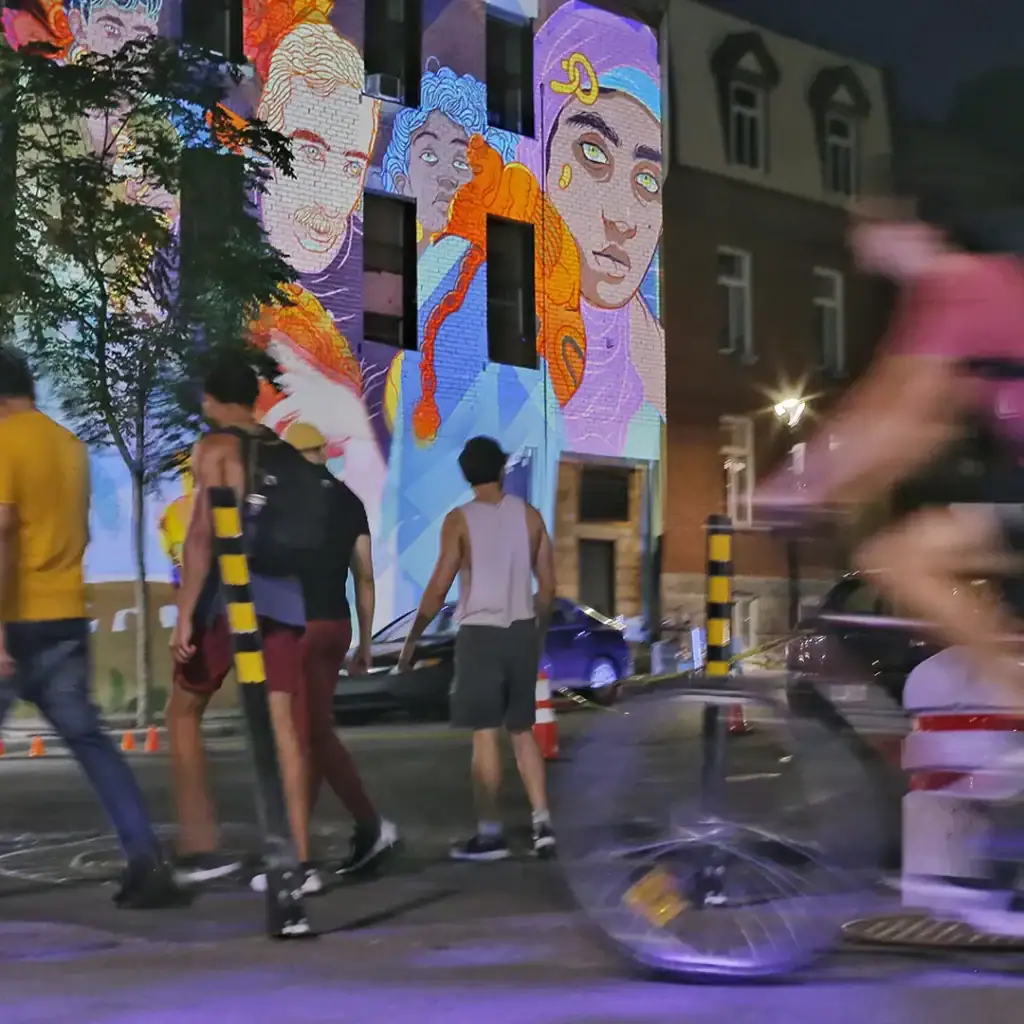
The Technology: How Street Art Projection Mapping Works
Modern street art projection mapping installations rely on high-lumen laser projectors and advanced real-time software. Professional artists use industry-standard tools like MadMapper, HeavyM, or TouchDesigner to achieve precise geometric calibration.
- 3D Mapping: Ensuring every pixel aligns perfectly with irregular architectural features.
- Real-Time Rendering: Moving away from pre-recorded loops to live, reactive content.
- Sensory Integration: Using Lidar and motion sensors to make projections respond to the crowd’s movement.
This shift toward live, generative content is the defining trend of 2026, turning static walls into interactive digital ecosystems.
Urban Spaces as Democratic Art Galleries
One of the greatest strengths of street art projection mapping is its accessibility. Unlike traditional galleries, there is no gatekeeping or admission fee. By using the city as a gallery, light installations become a democratic form of public art available to everyone.
At Mapplights, we believe that light belongs in the streets. It is a medium designed to surprise, provoke, and connect. By blending the rebellious spirit of traditional graffiti with cutting-edge technology, we are witnessing a new movement: Digital Street Art.
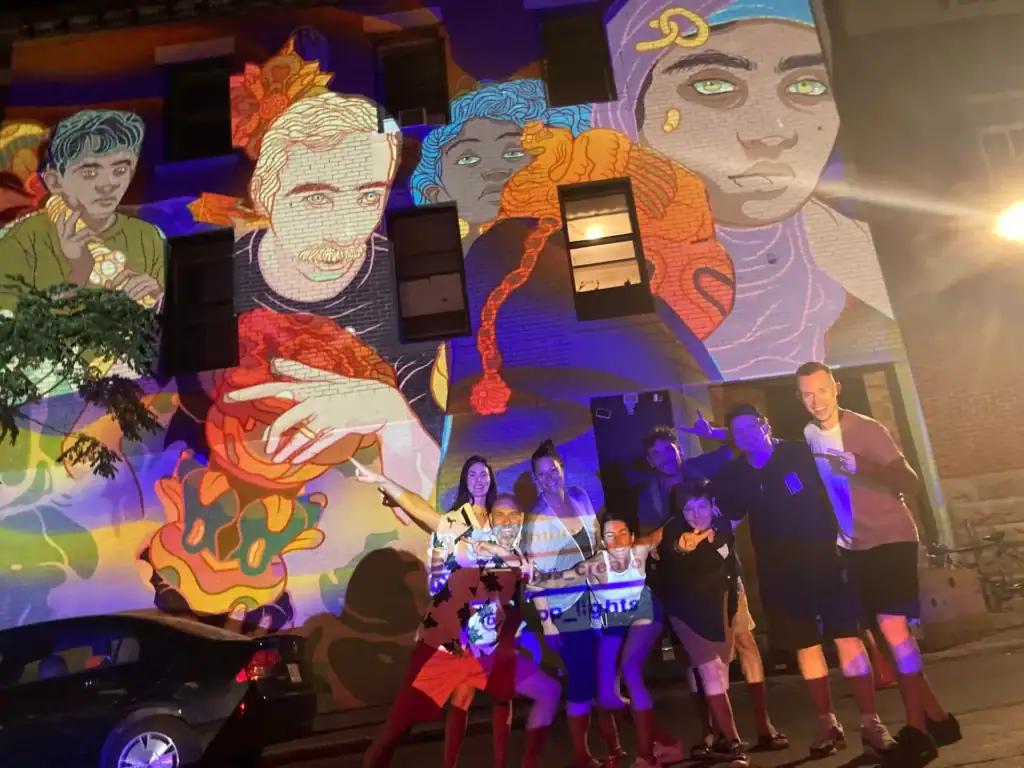
The Social Impact: Community & Tourism
Beyond the “wow” factor, street art projection mapping serves as a vital tool for community engagement. Unlike permanent paint murals, digital installations offer unique flexibility:
Eco-Friendly Art: Providing a sustainable way to refresh urban landscapes without chemical paints.
Cultural Heritage: Celebrating local history through nightly changing narratives.
Urban Revitalization: Transforming neglected public squares into vibrant night-time tourism hubs.
The Future of Immersive Urban Design
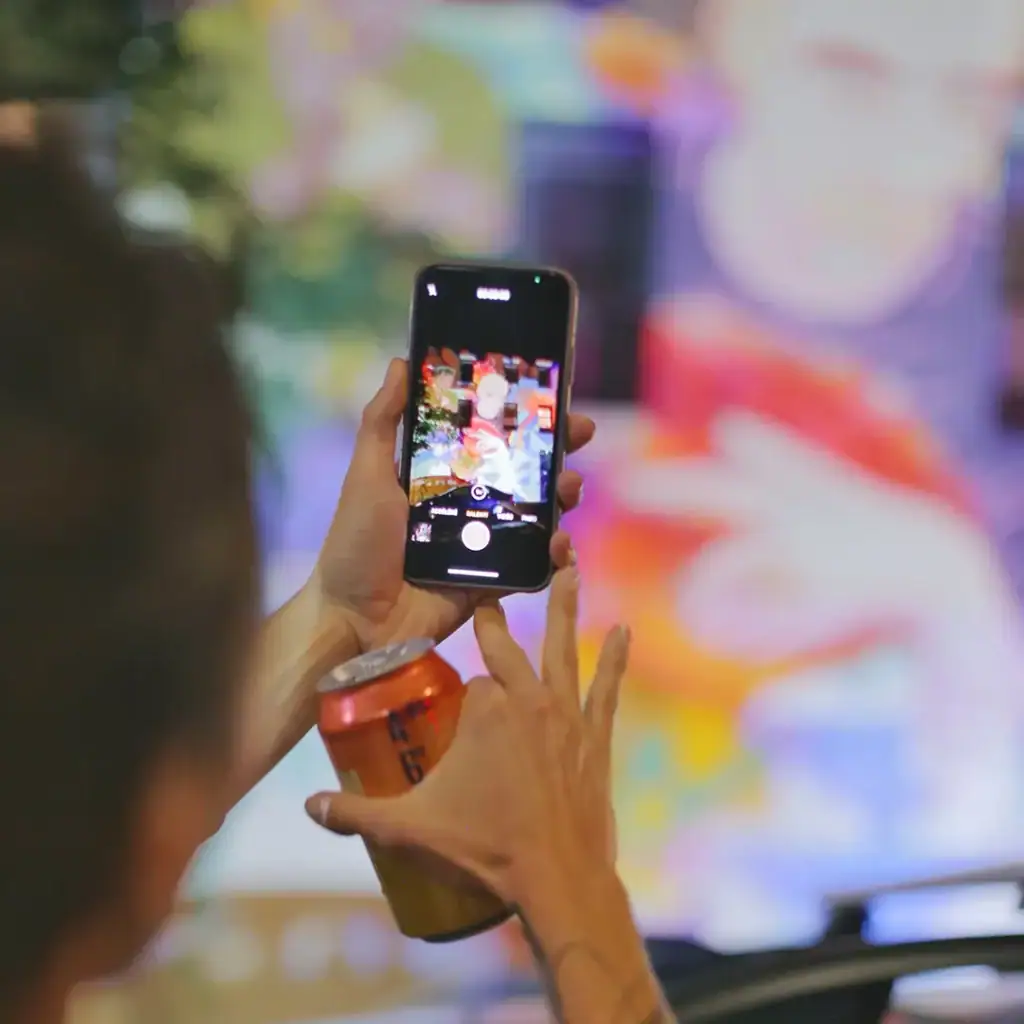
The next wave of innovation is defined by collaboration. We are seeing more narrative-driven installations that unfold over hours rather than minutes. As cities evolve into “Smart Cities,” the integration of smartphone-interactive elements is making street art projection mapping an essential part of modern urban design.
As the technology becomes more accessible, projection mapping is earning its place as a genuine pillar of public art. The cities that embrace it understand that light can do more than just illuminate—it can build identity.